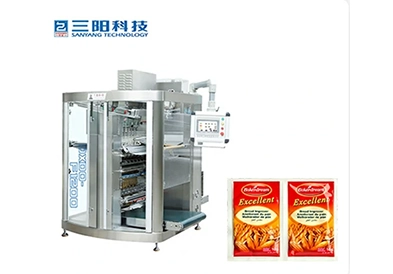
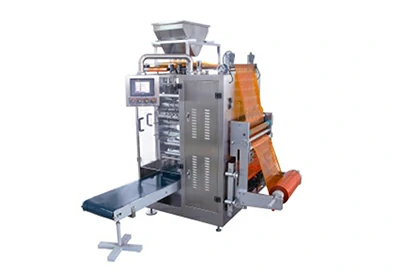
A Powder Packaging Machine such as the DXDO-F1200E forms four-side sealed sachets from roll stock, handling fine powders with stable dosing and clean seals for food, pharma, and chemical lines.
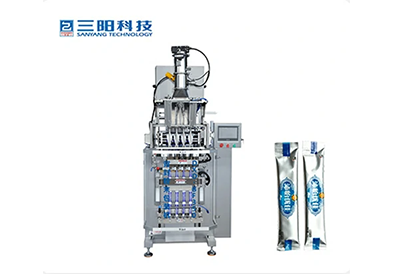
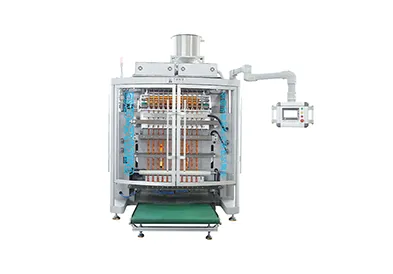
A Tablets Packaging Machine with six-lane four-side sealing, 30-40 bags/min per line, and 1-80ml range — built for water pills, Chinese medicines, and small-dose sachets.
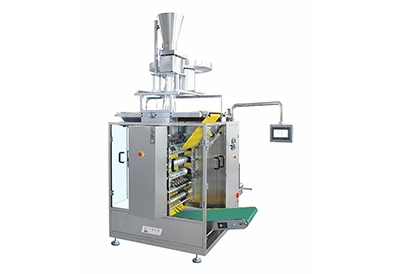
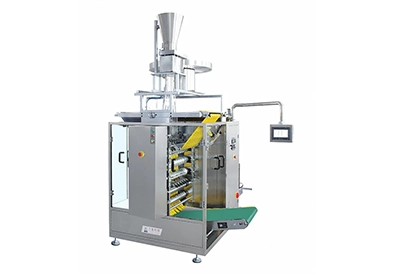
A Granular Packaging Machine with four-side seal capability, 60 sachets/min speed, 1-40ml filling range, and GMP compliance — built for water pill, granule, and food sachet production.
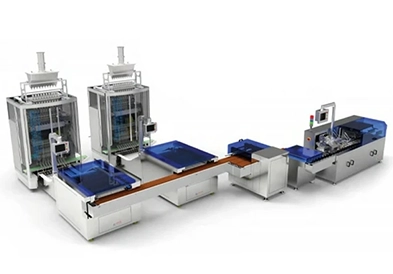
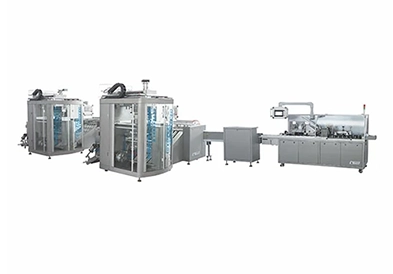
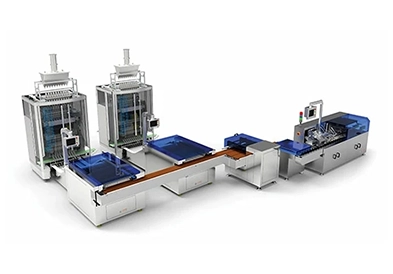
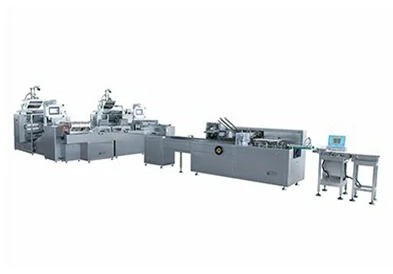
An automatic granule packing line integrating weighing, bag making, filling, sealing, cartoning, and leaflet insertion — built for pharmaceuticals, food, and daily chemical industries.
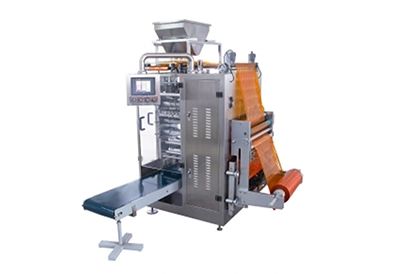
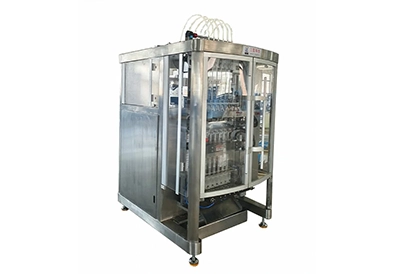
A liquid packaging machine with modular design, 4‑6 lanes, 20‑40 bags/min per line, back sealing, and a dedicated waste collection system — built for easy cleaning and reliable liquid packaging.
A tablets packaging machine with 6-line capacity, 30-40 bags/min per line, four-side sealing, tool-free pouch adjustment, and photoelectric tracking — built for pharmaceuticals, food, and daily chemical sachet packaging.
An automatic tablets production line with 6-10 lanes delivers 120-400 bags/min with four-side sealing, servo-driven filling, and tool-free changeovers — built for pharmaceuticals, food, and daily chemical packaging applications.
An Automatic Liquid Packaging Line with 5-10 lanes produces 20-50 bags/min/lane, filling 1-50g per bag with back sealing, PLC control, and integrated cartoning — from liquid to boxed product in one continuous line.
A Granular Packaging Machine automates bag making, filling, and sealing for powders and granules—up to 60 bags/min. This guide covers speed, bag sizes, sealing options, and key selection criteria.
A Nutraceuticals & supplements packaging machine automates measuring, filling, sealing, and labeling in one continuous process. This guide covers what to look for—simple and practical.
You’ve invested in a sauce packaging machine to handle your production. It runs well for a few months. Then the problems start—leaking pouches, inconsistent fills, unexpected stoppages. The technician tells you it’s wear and tear, but what they don’t say is that most of that wear was entirely preventable.


 English
 Pусский
 Español
 عربي
عربي