The shelf life of ketchup in packets typically ranges from 1 to 2 years. However, this can vary depending on several factors related to production and processing.
• Ingredients Quality: High - quality ingredients, such as fresh tomatoes, pureed to the right consistency, and the use of proper preservatives like salt, vinegar, and sometimes citric acid, can help extend the shelf life. If the tomatoes are not fresh or if there are issues with the quality of other ingredients, it can shorten the shelf life of the ketchup.
• Processing Temperature and Time: During production, the tomatoes are cooked and concentrated at specific temperatures and times. If the processing temperature is too low or the time is insufficient, it may not kill all the bacteria and microorganisms, which can lead to spoilage. On the other hand, if the temperature is too high or the time is too long, it can affect the flavor and quality of the ketchup, potentially reducing its appeal and shelf life.
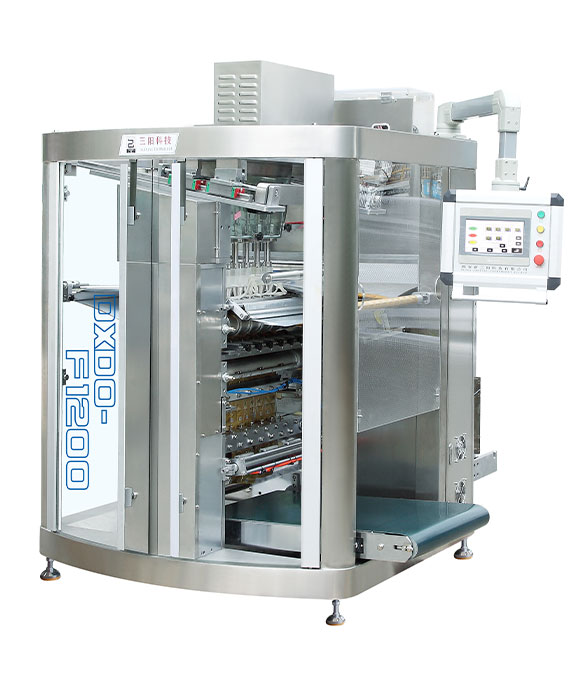
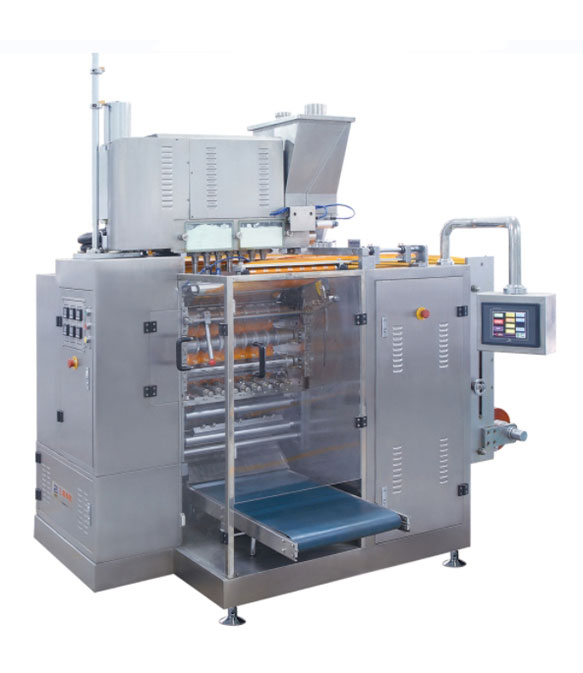
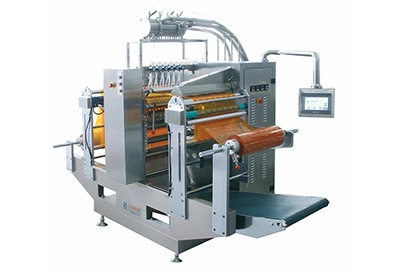
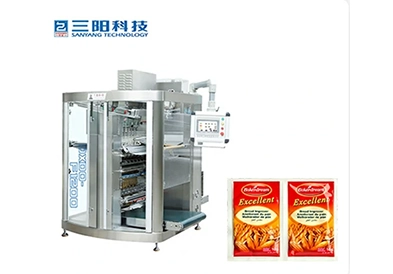
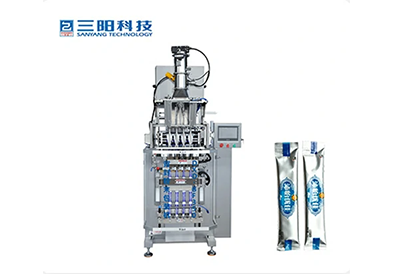
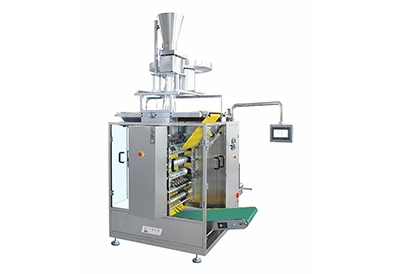
• Packaging: The packaging plays a crucial role in maintaining the freshness and shelf life of ketchup. Ketchup packets are usually made of plastic - based materials that are designed to be impermeable to air and moisture. The Sauce Packaging Machine used to fill and seal the ketchup packets is an important part of this process. It ensures that the packets are filled accurately with the right amount of ketchup and sealed properly to prevent any leakage or entry of air. If the packaging is not done correctly, air and moisture can get in, causing the ketchup to spoil faster.
• Temperature: Ketchup should be stored at room temperature, away from direct sunlight and heat sources. High temperatures can accelerate the growth of bacteria and cause the ketchup to spoil more quickly. If stored in a cool, dry place, the ketchup in packets is more likely to last closer to the upper end of its shelf - life range.
• Humidity: Low humidity is preferred as high humidity can lead to the growth of mold and mildew on the outside of the packets, and in some cases, can also affect the quality of the ketchup inside.
It's important to note that once a packet of ketchup is opened, it should be consumed promptly as the exposure to air and potential contamination can significantly reduce its remaining shelf life.


 English
 Pусский
 Español
 عربي
عربي .jpg)