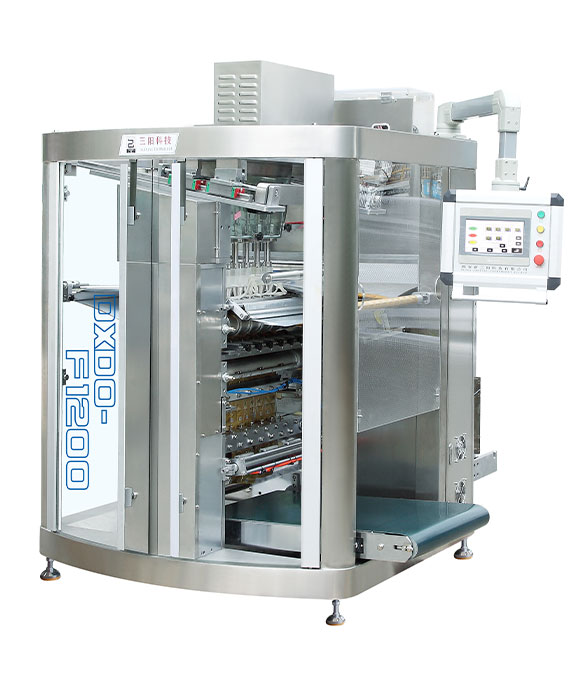
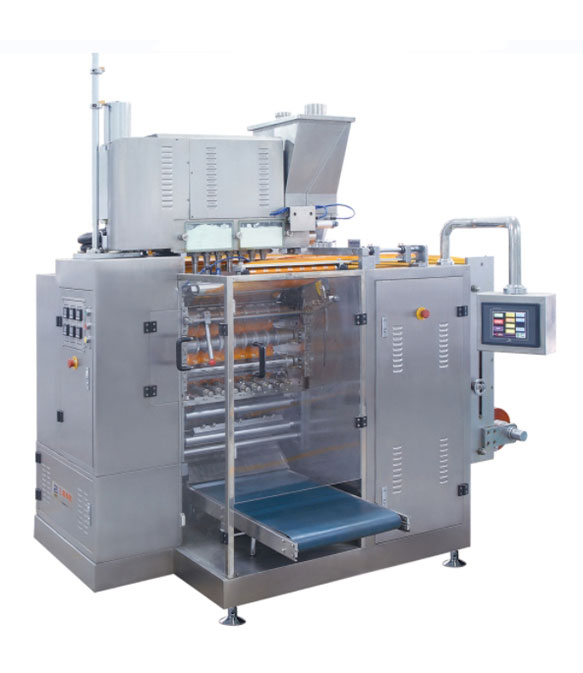
A liquid packaging machine is an automated system designed to accurately fill, seal, and package liquid products into various containers. It plays a critical role in modern manufacturing by improving efficiency, ensuring hygiene, and maintaining consistent product quality.
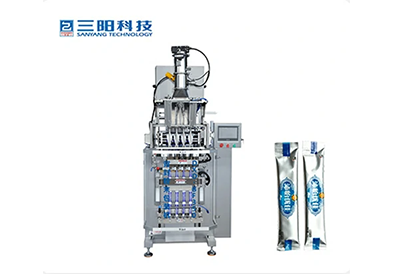
From water and juice to sauces, detergents, and pharmaceutical solutions, liquid packaging machines support high-speed, large-scale production across multiple industries. Advanced solutions such as sanyang’s Liquid Packaging Machine are engineered to meet diverse liquid packaging demands with stable performance and flexible configurations.
Liquid packaging machines combine multiple processes into a single, efficient workflow. The main functions include:
Precise Liquid Filling: Uses gravity, piston, pump, or flow-meter filling systems to ensure accurate volume control.
Reliable Sealing: Employs heat sealing, capping, or induction sealing to prevent leakage and contamination.
Automated Container Handling: Feeds, positions, and discharges containers smoothly.
Labeling & Coding (Optional): Adds labels, production dates, and batch codes.
Quality Inspection: Detects underfilled containers or sealing defects.
High-performance equipment such as sanyang’s Liquid Packaging Machine integrates intelligent control systems and hygienic design, helping manufacturers achieve higher accuracy, reduced downtime, and consistent packaging results.
Liquid packaging machines are available in a wide range of configurations to accommodate different liquid properties, packaging formats, and production scales. Selecting the right machine–container combination is essential for efficiency and product integrity.
Based on liquid characteristics and packaging requirements, common machine types include:
Gravity Filling Machines: Designed for low-viscosity, free-flowing liquids such as water, juice, vinegar, and alcohol. These machines rely on gravity to achieve fast and uniform filling.
Piston Filling Machines: Ideal for viscous or semi-viscous products like sauces, syrups, creams, and gels. Piston systems ensure precise volumetric filling and minimize dripping.
Pump Filling Machines: Suitable for foamy, volatile, or corrosive liquids, including detergents, disinfectants, and chemicals. Pump fillers offer excellent adaptability and gentle handling.
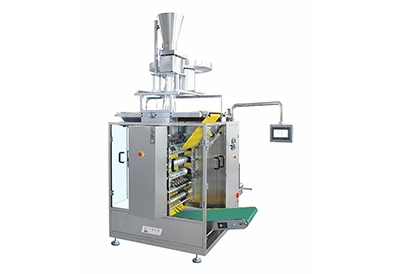
Form-Fill-Seal (FFS) Machines: Automatically form packaging material into pouches or sachets, fill them with liquid, and seal them in one continuous operation, significantly improving efficiency.
Aseptic Liquid Packaging Machines: Used for sterile filling in industries such as dairy, beverages, and pharmaceuticals. These machines maintain product sterility without preservatives.
Liquid packaging machines are compatible with a wide variety of containers to meet different market and branding needs:
Bottles (PET, HDPE, glass)
Stand-up pouches and sachets
Cartons and paper-based packaging
Cups, tubs, and trays
Large-volume bags, barrels, and drums
This versatility allows manufacturers to adapt quickly to changing consumer preferences and packaging trends.
Investing in liquid packaging machines offers long-term advantages for both productivity and product quality:
Increased Production Efficiency: Automated operation enables high-speed, continuous packaging with minimal downtime.
High Filling Accuracy & Consistency: Advanced control systems ensure uniform fill volumes, reducing waste and improving brand reliability.
Enhanced Hygiene & Safety: Enclosed systems and food-grade materials reduce contamination risks and comply with industry standards.
Reduced Labor & Operational Costs: Automation minimizes manual handling, lowering labor expenses and human error.
Flexibility & Customization: Machines can be adjusted for different liquids, container sizes, and packaging formats, supporting product diversification.
Improved Shelf Life: Reliable sealing protects products from leakage, oxidation, and external contamination.
Liquid packaging machines are indispensable across a wide range of industries due to their adaptability and reliability:
Food & Beverage Industry
Packaging of water, milk, juice, sauces, edible oils, soy sauce, and alcoholic beverages.
Pharmaceutical Industry
Accurate and hygienic filling of syrups, oral solutions, medical disinfectants, and liquid supplements.
Cosmetics & Personal Care
Packaging of shampoo, liquid soap, lotion, toner, perfume, and skincare products.
Chemical Industry
Safe and precise packaging of detergents, lubricants, cleaning agents, and industrial chemicals.
Agriculture & Veterinary
Filling and sealing of liquid fertilizers, pesticides, and veterinary medicines.
A liquid packaging machine is an essential solution for businesses that require accurate, hygienic, and efficient liquid packaging. By automating filling and sealing processes, it helps manufacturers increase productivity while maintaining consistent quality.
With reliable performance, flexible customization, and advanced technology, modern solutions like sanyang’s Liquid Packaging Machine enable companies to meet diverse market demands and stay competitive in fast-growing industries.
Q1: What types of liquids can liquid packaging machines handle?
A: They can handle thin, viscous, foamy, corrosive, and sterile liquids, depending on the filling mechanism.
Q2: How do I choose the right liquid packaging machine?
A: Key factors include liquid viscosity, container type, production capacity, hygiene requirements, and automation level.
Q3: Are liquid packaging machines suitable for small-scale production?
A: Yes. Semi-automatic and compact models are available for startups and small businesses.
Q4: Can one machine package different container sizes?
A: Many machines are adjustable and support quick changeovers for different container sizes.
Q5: How often should a liquid packaging machine be maintained?
A: Regular cleaning, inspection, and calibration are recommended to ensure optimal performance and product safety.

 English
 Pусский
 Español
 عربي
عربي .jpg)