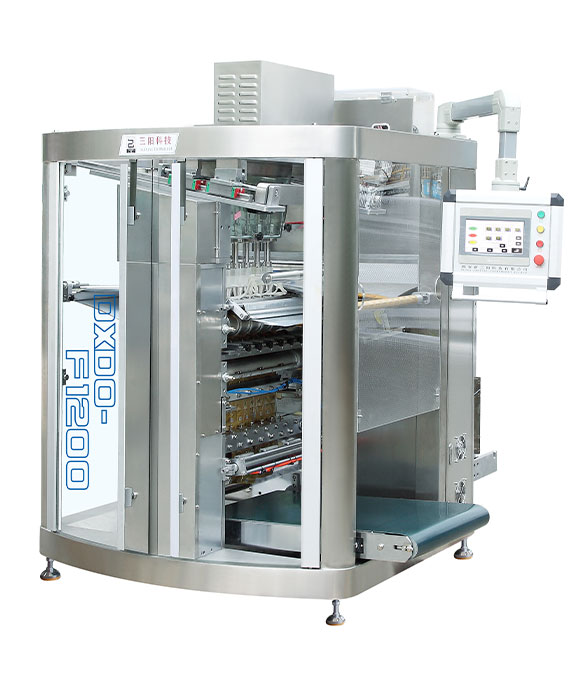
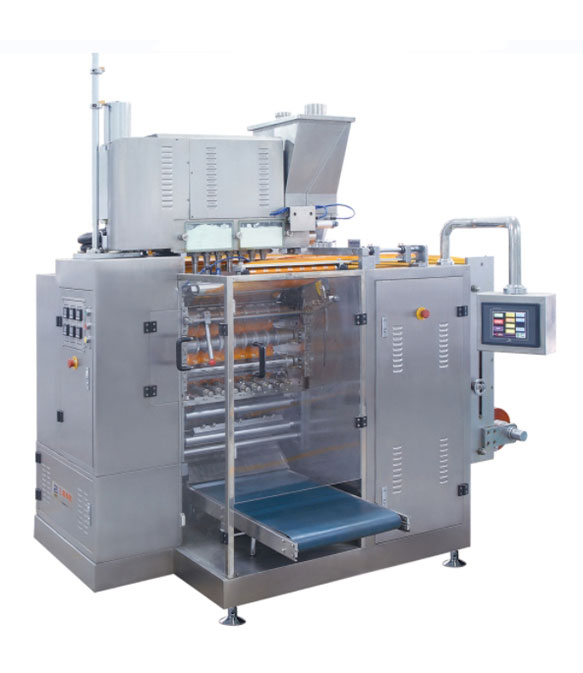
A liquid packaging machine is an essential piece of equipment used to package liquid products in various industries. It automates the process of filling, sealing, and labeling containers with liquid goods, improving efficiency and reducing labor costs. These machines are widely used in industries such as food and beverage, pharmaceuticals, cosmetics, and chemicals.
Understanding the types of liquid packaging machines is essential for choosing the right one for your business. Here are the major types:
1. Automatic Liquid Packaging Machines
Automatic liquid packaging machines are fully automated systems that handle the entire packaging process, from filling to sealing and labeling, with minimal human intervention. These are ideal for large-scale operations with high production volumes.
2. Semi-Automatic Liquid Packaging Machines
These machines require manual assistance for certain tasks, such as loading containers or adjusting settings. They provide a good balance between automation and manual operation and are perfect for medium-sized businesses.
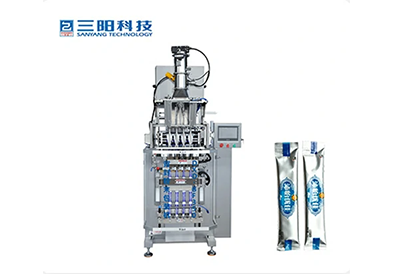
3. Pouch Filling Machines
Pouch filling machines are designed specifically for packaging liquids into flexible pouches. These machines are commonly used in packaging juices, sauces, and liquid detergents.
4. Bottling and Capping Machines
Bottling and capping machines are used to package liquids into bottles. These machines are crucial in industries like beverages and pharmaceuticals, where containers need to be securely sealed and labeled.
5. Carton Liquid Packaging Machines
Carton packaging machines package liquids into cartons, often used for products like milk, fruit juices, and liquid dairy products. These machines are designed for both bulk packaging and single-serve formats.
Liquid packaging machines work in a streamlined process to ensure efficiency and precision. Here's a breakdown of how they operate:
1. Container Loading
The machine automatically or manually loads containers onto the conveyor system. The type of container can vary (bottles, pouches, cartons).
2. Filling
The machine fills the container with liquid using a filling station that controls the volume precisely. This ensures accurate filling and prevents overfilling or underfilling.
3. Sealing
After filling, the machine seals the container to prevent leakage and preserve the quality of the product. The sealing method may involve capping, heat sealing, or adhesive application, depending on the type of container.
4. Labeling
Many liquid packaging machines are equipped with labeling systems that automatically apply labels to the containers. This helps with branding, product information, and regulatory compliance.
5. Quality Control
Inspection systems are often integrated to check for defects such as incorrect fill levels, damaged containers, or missing labels. Some machines also perform weight checking to ensure the product is within specified tolerances.
Investing in a liquid packaging machine offers numerous advantages for businesses, including:
1. Increased Efficiency: Liquid packaging machines significantly reduce packaging time compared to manual processes, which helps increase overall production efficiency.
2. Precise and Accurate Filling: Automated filling systems ensure consistent liquid volumes in every container, reducing human errors and minimizing product waste.
3. Improved Hygiene and Safety: These machines are designed with hygiene in mind, using materials that are easy to clean and maintain. Reduced human interaction with the product also minimizes contamination risks.
4. Cost Savings: By automating the packaging process, businesses can reduce labor costs and improve production speed. In the long run, these machines can provide excellent return on investment (ROI).
5. Customization Options: Many liquid packaging machines are highly customizable, allowing businesses to choose different filling volumes, packaging materials, and container sizes to suit their needs.
Selecting the right liquid packaging machine is crucial for optimizing production. Here’s a detailed guide to help you make the right choice:
1. Type of Liquid: Consider the viscosity of the liquid you are packaging. Thin liquids (e.g., water, juice) require different machines than thicker liquids (e.g., sauces, oils). Choose a machine that suits your product’s properties.
2. Packaging Type: Identify the type of packaging you need: pouches, bottles, cartons, or others. Ensure the machine can handle the desired packaging format efficiently.
3. Production Capacity: Assess your production volume and choose a machine that can meet your output requirements. Automatic machines are better for high-volume production, while semi-automatic machines are ideal for smaller batches.
4. Space and Size: Consider the available space in your facility. Machines come in different sizes, so choose one that fits your production environment without compromising workflow.
5. Energy Efficiency: Evaluate the machine’s energy consumption. Opt for machines that offer low energy use to minimize operational costs.
6. Maintenance and Support: Check the maintenance requirements of the machine and ensure the manufacturer provides excellent after-sales support and spare parts availability.
A liquid packaging machine is an indispensable tool for businesses in industries that require liquid packaging. It offers enhanced efficiency, precision, and hygiene, making it essential for companies looking to scale their operations. By selecting the right machine for your business, you can streamline your production process, reduce labor costs, and ensure product consistency.
1. What types of liquids can be packaged by a liquid packaging machine?
Liquid packaging machines can handle a wide variety of liquids, including juices, milks, oils, sauces, liquid soaps, and chemicals.
2. How do I maintain a liquid packaging machine?
Regular maintenance is essential for keeping your machine in good working order. Follow the manufacturer's maintenance guidelines and conduct periodic checks for wear and tear.
3. Can liquid packaging machines be customized?
Yes, many machines offer customizable features such as adjustable fill volumes, container types, and sealing methods, depending on your product requirements.
4. Are liquid packaging machines difficult to operate?
Most liquid packaging machines are designed with user-friendly interfaces and automation to minimize the complexity of operation. Basic training is typically required.
5. What are common issues with liquid packaging machines?
Common problems include inaccurate filling, clogged nozzles, and seal failure. Regular maintenance and proper operator training can prevent most issues.

 English
 Pусский
 Español
 عربي
عربي .jpg)