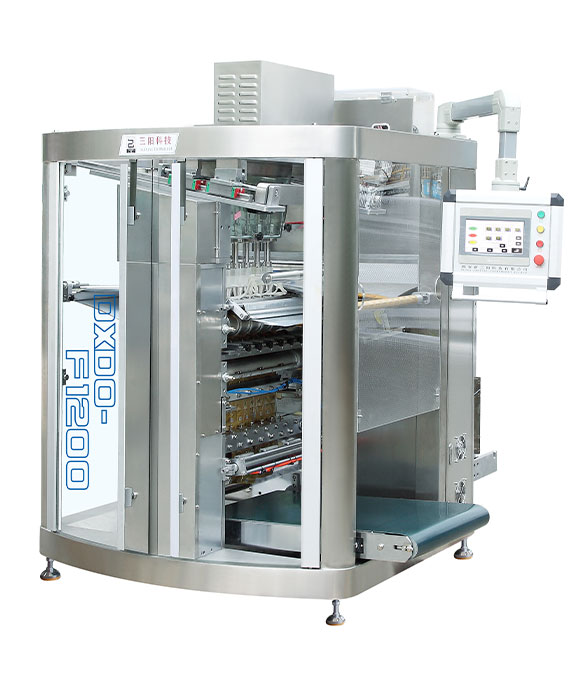
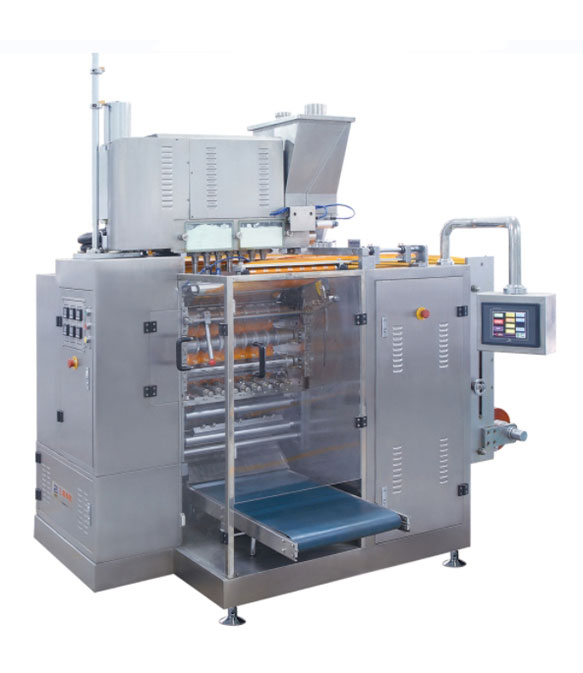
A pharmaceutical plant needs 50,000 antibiotic sachets by morning. A coffee roaster wants single‑serve packets that stay sealed and fresh. A chemical manufacturer demands consistent fills without dust escaping into the seals. A Powder Packaging Machine like the DXDO-F900E is built for these jobs. It takes rolled laminated film (PET/AL/PE, PET/PE, NY/AL/PE, or NY/PE), forms it into a tube, seals the vertical edge, fills powder through a rotary auger, seals the horizontal edges, and cuts individual sachets—all in one continuous motion. This guide covers what the machine does, how to fix the most common seal and fill problems, and what operators ask most. The DXDO-F900E Powder Sachet Packing Machine from Sanyang Machinery handles free‑flowing powders with minimal waste and consistent output.
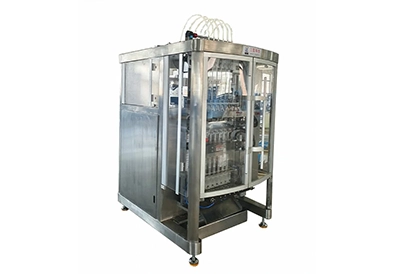
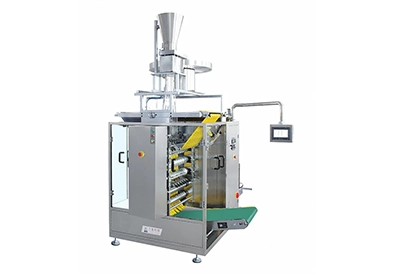
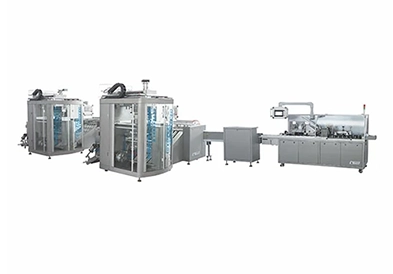
The DXDO-F900E is a vertical form‑fill‑seal machine with four‑side sealing. Understanding each station helps you diagnose problems faster.
Film unwinds from the roll stand. An automatic film splicer lets you change rolls without stopping production. The film passes through a dancer tension control system, then wraps around a forming collar to create a tube. A vertical sealing roller melts the overlapping edges together, creating the back seal (or side seal, depending on orientation).
Powder drops from the hopper into a rotary auger. The auger rotates a set number of turns, delivering a precise volume of powder into the tube. The machine’s material level detection system keeps the hopper filled consistently, which is essential for accurate fills.
After filling, the tube passes between horizontal sealing bars. These bars close on the film, creating the top seal of one sachet and the bottom seal of the next simultaneously. A cutting blade separates individual sachets. Because the vertical seal runs the full height of the pouch and the horizontal seals close both ends, each finished sachet has seals on all four edges—stronger than three‑side or back‑seal designs and giving a clean, premium look.
The DXDO-F900E produces sachets 60‑160 mm long and 60‑105 mm wide, with packing speed ranging from 30 to 50 cycles per minute depending on pouch size and film type. Fill volume range is 5‑100 ml per sachet. Maximum film roll width is 900 mm, and maximum roll diameter is 900 mm. The machine runs on 380 V power with total consumption of 20-22 kW, weighs 2000 kg, and measures 2200 × 1680 × 2250 mm. Five‑axis servo synchronous drive with PLC control maintains precise timing across all stations, and bag length is set directly on the touchscreen without tooling changes
Even a high‑speed Powder Packaging Machine can produce bad seals. When it happens, the defect pattern tells you what to adjust.
Weak or incomplete seal. The seal looks complete but peels apart with little force. Increase sealing temperature by 5‑10°C. For PE film, typical sealing range is 130‑180°C. Use an infrared thermometer to check that both sealing bars are heating evenly. The machine’s temperature control holds accuracy within ±1°C, but thermocouples drift over time.
Scorched or melted seal. The film has brown edges or becomes brittle. Reduce temperature by 8‑10°C. If only one side of the seal shows scorching, that bar has a hot spot—check the heating element or thermocouple.
Powder trapped in the seal. Fine powder particles appear between the film layers at the seal line. This causes leakers. The root cause is timing: powder is falling too early (before the side seals are complete) or the auger speed is too aggressive, causing powder to spray into the seal area. Increase vertical seal time slightly, or slow the auger speed by 10‑15%. For very fine powders, install a powder deflector or vacuum extraction near the seal area.
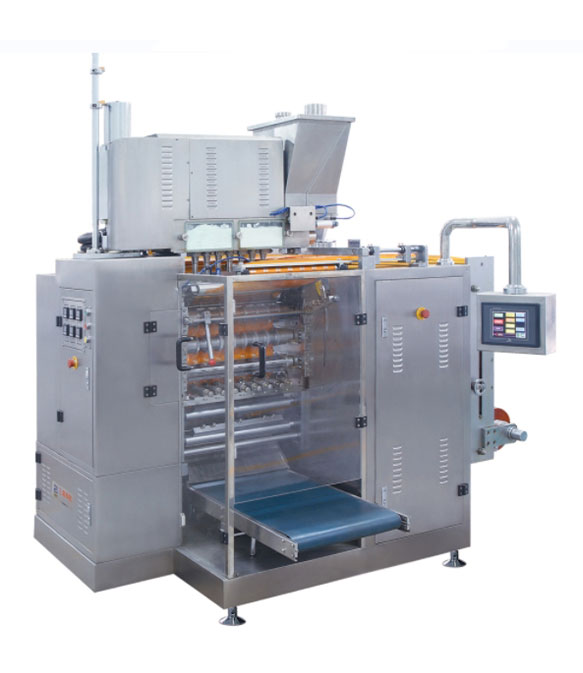
Film tearing during operation usually means tension is too high. Reduce the braking force on the unwind stand. Check that the film roll is not rubbing against the machine frame, and inspect the film path for burrs or sharp edges. If the film has been stored in high humidity, moisture absorption can make it brittle. Misaligned print registration points to a dirty photoelectric sensor or film stretch. Clean the sensor lens with isopropyl alcohol. If misalignment worsens as the roll empties, the film is stretching under tension—reduce unwind tension incrementally. If the film crumples or folds before entering the sealing area, the forming collar is misaligned. Re‑center the film guide rollers so the web enters the collar perfectly straight.
The DXDO-F900E uses a rotary feeding mechanism with independent per‑lane auger adjustment. When fills drift out of spec, three things are usually at fault.
Hopper level too low or fluctuating. The auger fills consistently only when the powder level above it remains stable. Adjust the hopper level sensor to maintain a consistent height. The machine’s material level detection system helps, but if the sensor drifts, fills will vary.
Auger speed drift. Over time, auger speed can drift from the setpoint. Run 10 test cycles, weigh each sachet, and adjust the auger speed parameter on the touchscreen in 2‑3% increments until fills are within tolerance. For most powders, ±2% of target weight is acceptable.
Blocked auger or feed tube. Powder bridging or caking stops flow. Stop the machine, remove the auger assembly, and clear any compacted powder. For powders prone to clumping, consider adding a vibration assist to the hopper.
| Problem | Likely Cause | Quick Fix |
|---|---|---|
| Weak seal | Low temperature | Increase 5‑10°C; check bar contact |
| Scorched seal | High temperature | Reduce 8‑10°C; check for hot spots |
| Powder in seal | Fill‑to‑seal timing off | Increase vertical seal time; slow auger |
| Film tearing | High tension | Reduce brake force; check path for burrs |
| Misregistered print | Dirty or misaligned sensor | Clean sensor; reduce tension if film stretches |
| Fill weight varies | Unstable hopper level | Adjust level sensor; recalibrate auger speed |
| No powder flow | Auger blockage | Remove auger; clear compacted powder |
The DXDO-F900E uses five‑axis servo synchronous drive with PLC control. All mechanical actions—film feed, vertical seal, filling, horizontal seal, and cutting—are electronically synchronized. Adjustments are made via the touchscreen instead of manual cams and gears. Bag length is set directly in the HMI, and the servo adjusts the film pull automatically. When errors occur, the control system usually displays an alarm code. If the machine stops with no error, check the emergency stop button and safety door interlocks first. Also verify that the film is not jammed and that the sealing bars are not stuck in the closed position.
A powder machine that isn’t cleaned will fail. Schedule maintenance by shift, week, and month.
Daily (every shift). Wipe powder residue off sealing bars (with machine off and cooled). Blow out dust from sensors and photocells with low‑pressure compressed air. Check film guide rollers for powder buildup. Inspect the cutting blade for dullness—ragged edges mean the blade needs replacing.
Weekly. Remove auger screws and inspect for wear. Replace if flights are rounded or chipped. Lubricate bearings and chains per the manual. Check Teflon tape on sealing bars for nicks and replace it.
Monthly. Check all fasteners—vibration loosens screws over time. If seals become uneven, inspect the rubber backup bar for flat spots. Clean the film path with isopropyl alcohol to remove accumulated residue.
Sealing bars are the most frequent wear item. The rubber backup compresses over time; replace it when seals become inconsistent even after temperature and pressure adjustments.
The DXDO-F900E works with free‑flowing, non‑sticky powders that have good flowability. Typical applications include pharmaceuticals (antibiotic powders, effervescent granules), food products (coffee powder, milk powder, protein powder, seasoning mixes, flour), and chemicals (detergent powder, desiccant silica gel). Powders that cake, clump, or are extremely fine (sub‑10 micron) may require special handling, such as vibration assist or nitrogen purging to prevent static cling. The machine’s auger design handles most common powder grades, but always test a sample before committing to full production.
Q: How do I set bag length? A: On the touchscreen HMI, enter the desired pouch length directly. The servo drive automatically adjusts the film pull length without tooling changes. Verify accuracy by measuring 10 consecutive pouches.
Q: Why do some lanes fill heavier than others? A: Each lane has its own auger adjustment. Run the machine in test mode, collect five pouches from each lane, weigh them individually, and adjust each lane’s auger parameter to balance fill weights.
Q: How do I change film rolls without stopping? A: Machine can extra design with an automatic film splicing mechanism. When the expiring roll reaches minimum diameter, the new roll feeds automatically while the machine continues running. This reduces downtime to near zero for roll changes.
Q: What is the expected uptime? A: With daily cleaning and weekly auger inspection, the machine can run 85‑90% uptime. Most downtime comes from film roll changes , seal bar cleaning, and clearing minor jams.
Q: Can I customize cut shape? A: Yes. The machine accepts optional cutting dies for custom shapes—rounded corners, perforated tear lines, or custom profile cuts. Consult the manufacturer for die availability.
When a Powder Packaging Machine must run for hours without leaking, jamming, or drifting out of fill tolerance, the engineering of the machine determines your production uptime. Sanyang Machinery designs and manufactures the DXDO-F900E Powder Sachet Packing Machine for pharmaceutical, food, and chemical packaging lines. The machine features five‑axis servo synchronous drive, PLC control with touchscreen HMI and independent per‑lane auger adjustment. Sealing temperature is controlled within ±2-3°C. Four‑side sealing produces strong, attractive sachets that resist leaks even with fine powders. The auger filling system handles powder volumes from 5‑100 ml per sachet with high accuracy. For operators, the user‑friendly interface and tool‑less changeovers reduce the skill required to run the line effectively.
The DXDO-F900E is CE certified and backed by Sanyang’s technical support network. For a production manager dealing with leak complaints or fill weight rejections, the combination of precise servo control, robust sealing, and easy cleanup addresses the three biggest sources of waste in powder packaging.
→ Request a quote from Sanyang Machinery for the DXDO-F900E Powder Sachet Packing Machine — Share your powder type, target fill weight, pouch dimensions, and monthly volume. Their technical team can recommend the right auger configuration and provide default settings for your material.

 English
 Pусский
 Español
 عربي
عربي .jpg)