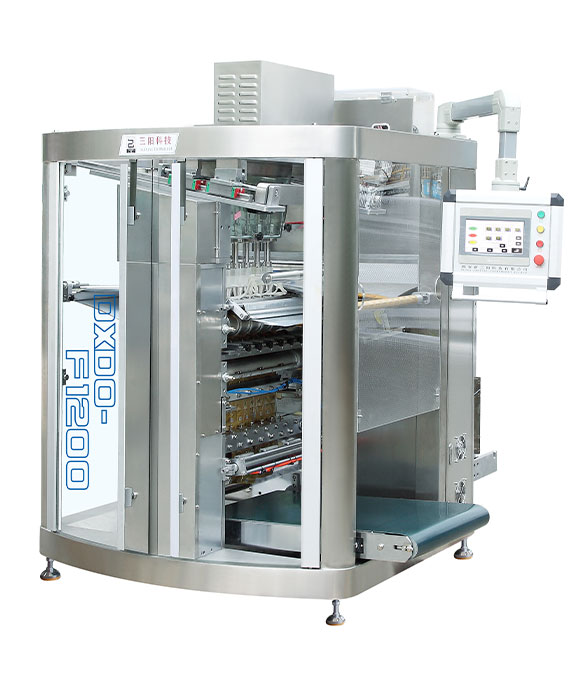
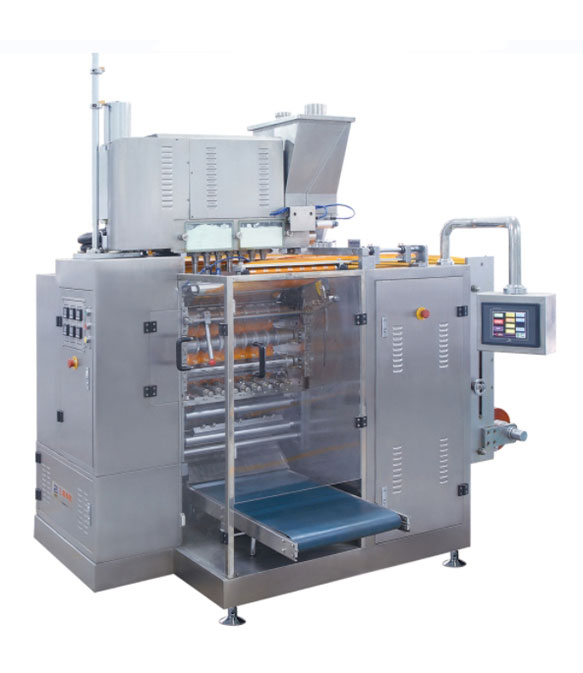
You’ve invested in a sauce packaging machine to handle your production. It runs well for a few months. Then the problems start—leaking pouches, inconsistent fills, unexpected stoppages. The technician tells you it’s wear and tear, but what they don’t say is that most of that wear was entirely preventable.
Sauce packaging failures are rarely random. They usually trace back to a handful of maintenance mistakes that compound over time. The good news? Most of these are easy to correct. Here’s what producers overlook—and how to stop doing it.
It sounds obvious, but it happens more often than you’d think. Production ends, the shift wraps up, and cleaning gets rushed—or skipped entirely. Sauce residue left on filling nozzles, sealing jaws, and conveyor surfaces hardens overnight. The next morning, that buildup causes uneven fills, contaminated seals, and product that ends up in the reject bin.
The fix is simple. After each production cycle, clean the exterior surfaces and all parts that come into contact with the sauce. Pay particular attention to filling nozzles, sealing mechanisms, and conveyor belts. A damp cloth with mild detergent works for most surfaces. For deeper buildup, dismantle removable parts weekly and wash them with warm, soapy water. A brush helps reach crevices where residue hides.
If you’re running multiple sauce types in a day, don’t wait until the end of shift. Clean sealing jaws between production runs, especially when switching between products with different oil or sugar content. Sauce residue in the sealing zone is one of the fastest ways to break a hermetic seal.
A sauce packaging machine has dozens of moving parts: bearings, gears, chains, drive belts. They need lubrication to run smoothly. But many operators either forget to lubricate entirely or grab whatever oil is nearby.
Using the wrong lubricant is almost as bad as using none. Standard industrial oils can drip onto packaging materials or product contact surfaces, creating contamination risks. And contaminated sauce doesn’t just get rejected—it can trigger a full recall.
The rule is straightforward: use only food-grade lubricants recommended by the machine manufacturer.. Follow the recommended schedule for lubrication intervals. If the machine runs daily, check lubrication before startup and top up as needed. But don’t overdo it—excess lubricant can migrate to areas where it doesn’t belong. After any lubrication work, wipe away any exuding oil
Seals, gaskets, heating elements, drive belts—these parts wear out over time. The mistake is treating them as “replace when broken” items rather than “replace on schedule” items.
A worn seal on a filling piston might cause a 1% fill variance today. Next month, it’s 3%. By month three, you’re overfilling every pouch by 5%, giving away product and eating into margins. A degraded heating element might seal 95% of pouches correctly, but the 5% that leak will find their way to customers—and those customers will find their way to your competitor.
Preventive maintenance is the answer. Establish a replacement schedule based on the machine’s usage frequency and the manufacturer’s guidelines. Inspect consumable parts regularly. When you replace them, use high-quality, compatible parts—generic components often fail faster and create secondary damage.
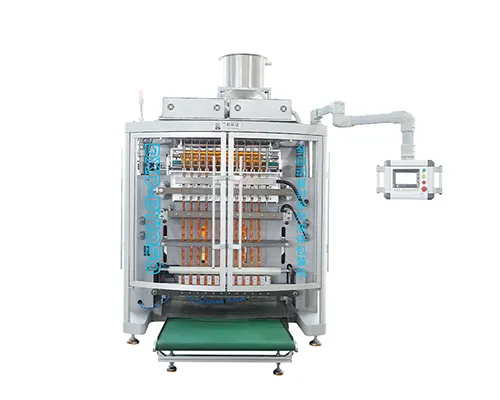
It’s tempting. You have orders to fill, and running the machine a little faster or a little heavier seems like an easy way to catch up. But exceeding the recommended capacity strains every component—motors work harder, seals wear faster, and belts stretch beyond tolerance.
The result is jams, blockages, and product spillage. More importantly, it accelerates wear across the entire system. A sauce packaging machine that could have run for ten years might start failing in five—or three.
Stick to the manufacturer’s specifications for maximum capacity. If you consistently need more output, consider a second machine or an upgrade, rather than pushing the existing one past its limits.
Here’s a mistake that doesn’t show up on any maintenance checklist, but it’s one of the costliest. Untrained operators make errors—wrong temperature settings, incorrect filling parameters, improper startup and shutdown sequences.. These errors cause mechanical stress, damage internal components, and create problems that maintenance teams spend days chasing
A producer in Thailand ran a line fine for six months, then suddenly started rejecting 12% of output. The team spent three days troubleshooting before finding the root cause: viscosity changes in the raw material were overwhelming the pump settings, and no one on the shift knew how to adjust for it.
The fix isn’t complicated. Ensure every operator undergoes in-depth training before using the sauce packaging machine. They should understand the control panel, know how to adjust settings for different sauce viscosities, and recognize warning signs like unusual sounds or vibrations. Document fill settings in PLC recipes so adjustments are repeatable, not guesswork.
The sauce packaging machine itself is only part of the equation. Where it sits matters too.
Excessive humidity causes rust and corrosion on metal components. Dust and debris interfere with sensors and moving parts. Extreme heat or cold affects both mechanical and electrical systems.
Install the machine in a clean, dry, well-ventilated area. Maintain a stable temperature within the manufacturer’s recommended range. If humidity is an issue in your facility, consider a dehumidifier. These aren’t luxuries—they’re conditions that protect your investment.
A sauce packaging machine is a significant investment. The difference between a machine that runs reliably for a decade and one that starts failing in year three often comes down to maintenance habits, not manufacturing quality.
Whether you're evaluating a new sauce packaging machine or looking to extend the life of your current one, we can help. Contact our team to discuss your production goals, maintenance challenges, and the right equipment for your operation.

 English
 Pусский
 Español
 عربي
عربي .jpg)