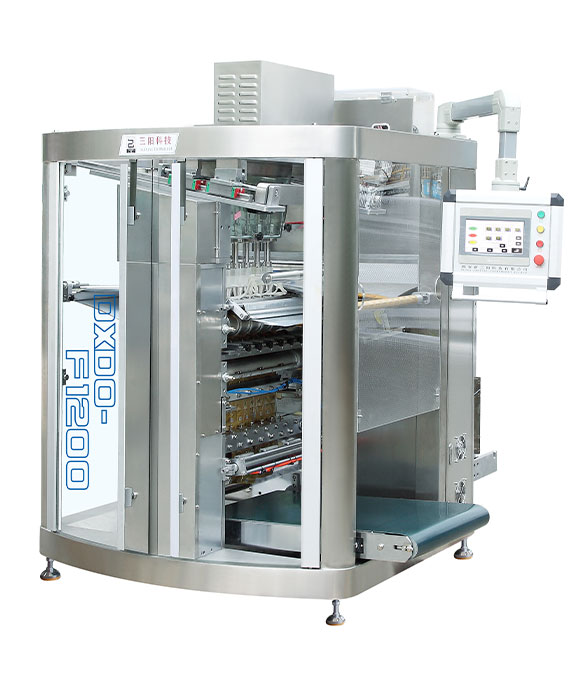
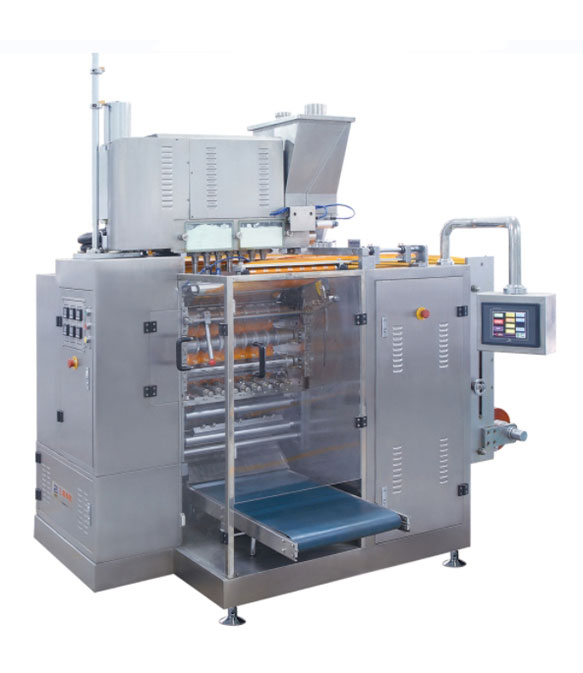
Every production manager knows the sinking feeling: you’re halfway through a batch of premium protein powder or ground spice, and the fill weight starts drifting. By the time you notice, dozens of packages are underweight or over – and that means rework, waste, or worse, customer complaints.
The good news? Most of these issues can be caught before they ever start. A consistent 10-minute daily check routine can slash unplanned downtime and keep your powder filler running like new. Below are five practical checks you can implement today.
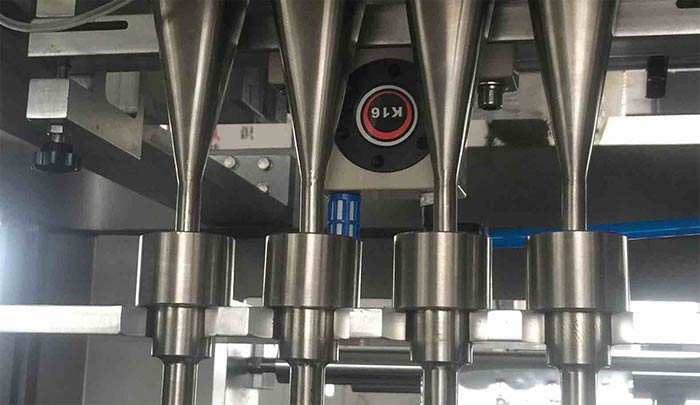
The heart of any volumetric powder filling system is the auger (screw) and the nozzle. Over time, fine powder can cake inside the flights or around the nozzle tip, especially with hygroscopic or oily ingredients like cocoa or turmeric.
What to do:
Remove the hopper guard and visually inspect the auger for uneven wear, chipping, or compacted powder. Run a gloved finger along the flights – if you feel rough patches or see clumps, clean them immediately. Also, examine the nozzle opening: buildup here changes the drop pattern and can cause “dusting” or bridging.
Why it matters:
Even 0.2 grams of caked material alters the displacement volume, throwing off your target fill weight. In high-speed lines, that tiny error multiplies into an insignificant giveaway.
Pro tip: Keep a dedicated soft brush and food-grade compressed air near the machine. Never use metal tools that could score the auger surface.
Your powder filler might run perfectly for hours, but temperature shifts, hopper level changes, or vibration can gradually shift calibration. Relying solely on the machine’s internal counter is risky.
What to do:
At the start of each shift, run five sample containers and weigh each on a calibrated check scale. Record the average and range. If any sample deviates beyond your tolerance (e.g., ±1%), stop and investigate before resuming production.
Common tolerance examples:
For 500g fills → ±2g typical for free-flowing powders
For 50g fills → ±0.5g for fine, cohesive powders
When to escalate:
If you see a gradual drift upward or downward over three consecutive days, it’s a sign that the auger drive coupling or motor encoder may need professional attention.
Powder bridging, rat-holing, or uneven flow from the hopper is a top cause of underfills. Many operators only check the hopper when it’s empty – but that’s too late.
What to do:
During operation, watch the powder surface in the hopper for at least 30 seconds. Does it flow smoothly toward the auger intake? Or do you see stagnant zones, funnel-shaped holes, or intermittent “plops” of powder?
Quick fixes:
Install a hopper vibrator or agitator if bridging is frequent.
For cohesive powders, use a larger hopper outlet or aeration pads.
Never let the hopper drop below 20% capacity – low head pressure changes bulk density.
Advanced check:
Take a moisture reading of the powder daily. A change of just 1–2% moisture can dramatically alter flowability and fill accuracy. Document the readings alongside your fill weights – you’ll often see a direct correlation.
Your ears and hands are powerful diagnostic tools. A healthy powder filler produces a rhythmic, low-frequency hum. Grinding, squeaking, or intermittent rattles are early warnings.
What to do:
With the machine running empty (no powder), place your palm on the main frame and on the auger drive housing. Note any heat or sharp vibrations. Then run with powder and compare.
What do different sounds mean:
High-pitched squeal → dry bearing or belt slip
Metallic grinding → auger rubbing against the tube wall
Intermittent thud → loose mounting bolt or foreign object in hopper
Immediate action:
Stop the machine and investigate any new noise. Running through a bearing failure could cost you a full drive replacement – and days of downtime.
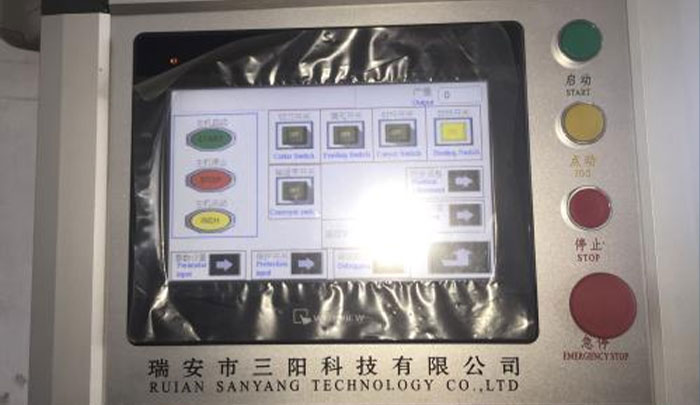
A daily check is only as valuable as the record you keep. Without a log, you cannot spot gradual deterioration or prove compliance during audits.
What to do:
Create a simple one-page checklist with spaces for:
Fill weight average & range (from step 2)
Auger/nozzle condition (OK/clean/replace)
Hopper flow observation (smooth/bridging)
Vibration/temperature notes
Any corrective action taken
Why does this transform your operation?
After 30 days, review the log. You’ll likely see patterns – e.g., fill weight drifts every time humidity exceeds 60%, or the auger needs cleaning after every 5,000 cycles. Use these insights to schedule preventive maintenance proactively, not reactively.
EEAT note: This data-driven approach aligns with industry standards like ISO 22000 for food safety and GMP for pharmaceuticals, where documented verification of filling equipment is mandatory.
Even with a checklist, teams often fall into these traps:
| Mistake | Consequence | Fix |
|---|---|---|
| Skipping checks during “small runs.” | Small runs become big losses when a fault goes unnoticed | Treat every run equally – 10 minutes saves hours of rework |
| Using uncalibrated check scales | You’re validating errors with a wrong reference | Calibrate scales weekly with certified weights |
| Only checking at the start of the shift | Conditions change (hopper level, temperature) | Do a quick mid-shift check after 2 hours |
| Ignoring minor powder leaks | Leaks attract pests, waste products, and mask bigger seal issues | Replace worn gaskets immediately – they’re cheap |
The five checks above will catch 80% of common issues. But what about the other 20% – the stubborn problems like inconsistent dosing across different powder types, or the need for faster changeovers?
That’s where a purpose-built solution makes the difference. If you’re looking for a modular powder filling system designed for quick cleaning and high accuracy with fine to granular materials, you might want to explore equipment that integrates automated checkweighing feedback and tool-free auger swaps.
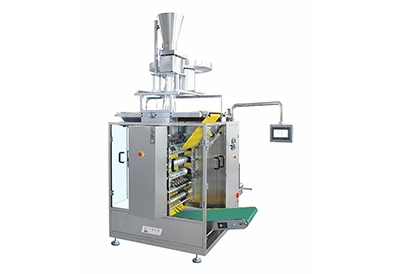
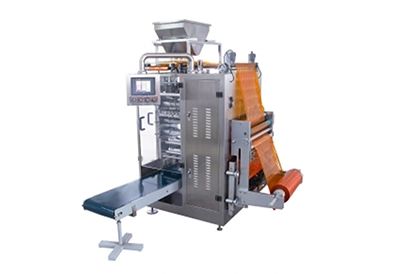
[Image: Clean, modern powder filling machine with digital control panel]
For production lines that run multiple SKUs (spices, supplements, baking mixes), having a flexible powder packaging setup with recipe storage and anti-dust features can reduce changeover time from an hour to under 10 minutes.
And if you’re responsible for training new operators, a user-friendly filling station with clear visual guides and error-proofing will cut your onboarding time significantly.
Remember: even the best daily checklist can’t compensate for a machine that’s fundamentally mismatched to your powder’s properties. But when you combine disciplined daily checks with the right underlying equipment, you’ll achieve consistent, profitable runs – shift after shift.
Got a specific powder challenge? Leave a comment or contact your equipment supplier with your powder data sheet – most will run free tests to recommend the optimal auger and hopper design.
Disclaimer: Always follow your machine manufacturer’s safety procedures. Lock out/tag out power before any inspection involving moving parts.

 English
 Pусский
 Español
 عربي
عربي .jpg)