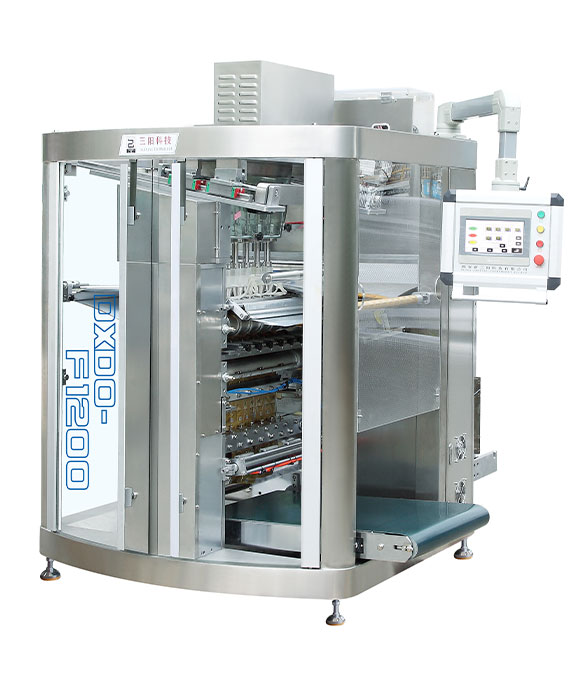
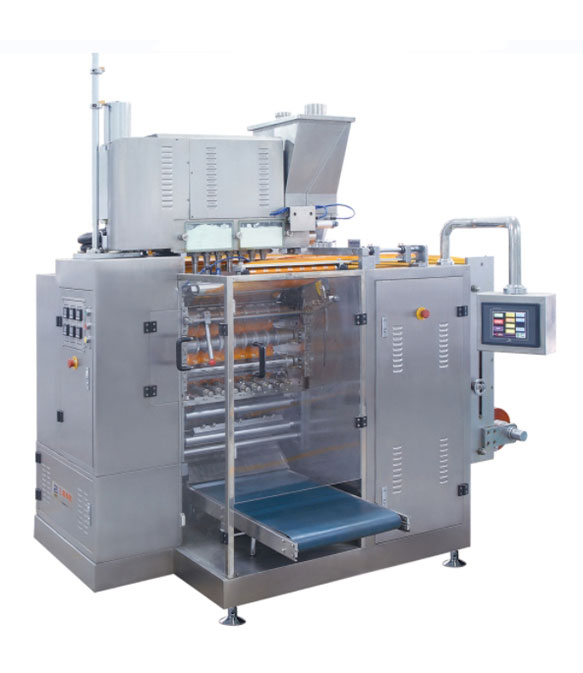
Powder fillers—whether they are nutritional supplements, spices, chemical compounds, or pharmaceutical ingredients—have become a silent engine of global trade. Over the past five years, cross-border shipments of powder‑based products have grown by nearly 12% annually. But not all markets are equal. Some nations are absorbing powder fillers at an astonishing rate, driven by booming manufacturing, re‑export hubs, or domestic consumption.
If you supply or use powder fillers, knowing where the demand is highest can help you align your logistics, compliance, and—most importantly—your filling and packing efficiency. Because when volumes surge, slow or unreliable powder handling becomes the weakest link.
Below, we break down the top 5 countries buying powder fillers today, the industries behind the numbers, and what you need to keep your line running without bottlenecks.
The U.S. remains the world’s largest importer of powder fillers, accounting for roughly 22% of global value. Key drivers include:
Nutraceuticals & protein powders – The sports nutrition market alone grew by 9% last year.
Pharmaceutical excipients – Many generic drug manufacturers rely on imported powder bases.
Industrial chemicals – From detergents to specialty coatings.
American buyers demand high consistency and fast turnaround. A single production shift can require filling thousands of containers—from 100g jars to 25kg bags. Consequently, many plant managers are shifting from semi‑automatic to automated powder dosing systems that reduce dust and improve accuracy. If your line struggles with caking or inconsistent fill weights, you are not alone—and upgrading your filling section often pays back in six months.
Germany is Europe’s top powder filler buyer, especially for pharmaceutical and chemical powders. The country’s strength lies in re‑export and high‑value formulation. Key sectors:
Pharma contract manufacturing – Over 60 CMOs in the Rhineland area alone.
Industrial additives – For automotive and aerospace coatings.
Food-grade powders – Bakery mixes, beverage bases.
German regulations demand stringent dust control and easy cleaning. As a result, many filling rooms are adopting modular powder filling stations with quick‑release hoppers and CIP‑ready surfaces. A common pain point? Changeover time. Switching between a 1kg spice pouch and a 10kg chemical bag should take minutes, not hours. Facilities that optimize this see a 30% boost in overall equipment effectiveness.
While China is a massive powder filler producer, it also imports specialized powders—high‑grade dairy ingredients, advanced ceramics, and certain pharmaceutical actives. Why? Domestic demand for premium finished products. Key drivers:
Infant formula & dairy powders – Imported base powders from New Zealand/EU are blended locally.
Lithium battery powders – For anodes and cathodes, imported from Chile and Australia.
Cosmetic powders – Mica, treated pigments.
In Chinese mega‑factories, speed is everything. Lines often run 24/7, and any downtime at the filling stage creates cascading delays.
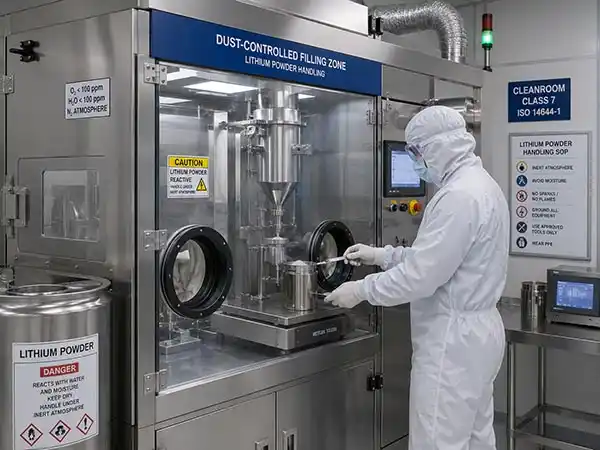
To keep pace, engineering teams are investing in high‑speed powder filling equipment that integrates with existing conveyors and checkweighers. A frequent request: equipment that handles both free‑flowing and non‑free‑flowing powders without mechanical adjustment.
India’s powder filler imports grew by 18% year‑over‑year in 2024. The country is the “pharmacy of the world” but also a massive consumer of spice blends and industrial powders. Key segments:
Bulk drug intermediates – Imported powder actives for formulation.
Spice mixes & curry powders – Domestic consumption and export to South Asia.
Herbal powders – For Ayurvedic products.
Indian packers face unique challenges: high humidity and wide particle size variation. Many mid‑sized plants still use manual or semi-automatic filling, leading to 5‑7% product waste.
As labor costs rise, we see a clear shift toward dust‑tight powder filling solutions that include vibration assistance for stubborn powders. Early adopters report cutting waste to under 1.5% while doubling output.
Brazil rounds out the top five, driven by agrochemicals and food powders. Key imports:
Soy protein isolates – For meat extenders and pet food.
Fungicide & pesticide powders – Blended and repacked locally.
Powdered soft drink bases – Popular in the northeast region.
Brazilian regulations require strict traceability. Filling lines must log batch numbers and weights in real time. Consequently, packers are integrating data‑ready powder filling modules that connect to their ERP systems. A common mistake? Underestimating the force of tropical humidity on metal parts—corrosion resistance is a non‑negotiable specification.
The top five countries share three common needs:
Speed without sacrificing accuracy – Whether in Chicago or Shanghai, a 0.5g overfill on a million units equals half a ton of giveaway.
Flexibility for multiple powder types – Fine, granular, sticky, or abrasive—one line must handle them all.
Compliance readiness – From FDA to EU GMP to ANVISA, the paperwork follows the powder.
If your current filling line is the bottleneck—frequent jams, difficult changeovers, or dust escaping into the production area—you are not just losing product; you are losing your competitive edge in these high‑demand markets.
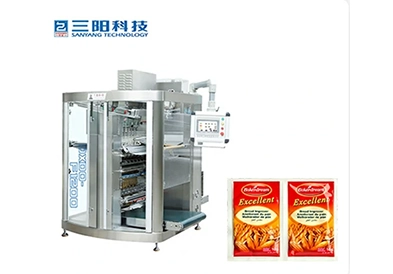
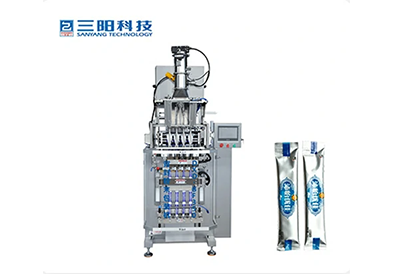
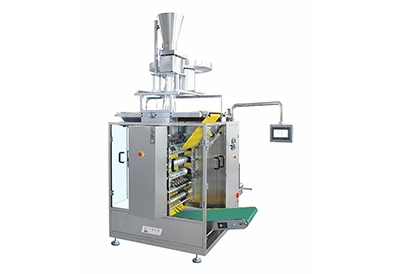
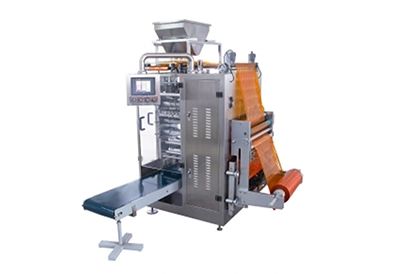
You do not need to replace your entire packaging line overnight. Often, a well‑designed filling station is the single most impactful upgrade. For over a decade, SanYang has supplied modular powder filling systems that integrate with existing bagging, bottling, or canning lines. Our equipment is built for:
Dust‑controlled environments
Quick 15‑minute changeovers between different bag sizes
±0.5% fill accuracy for most free‑flowing powders
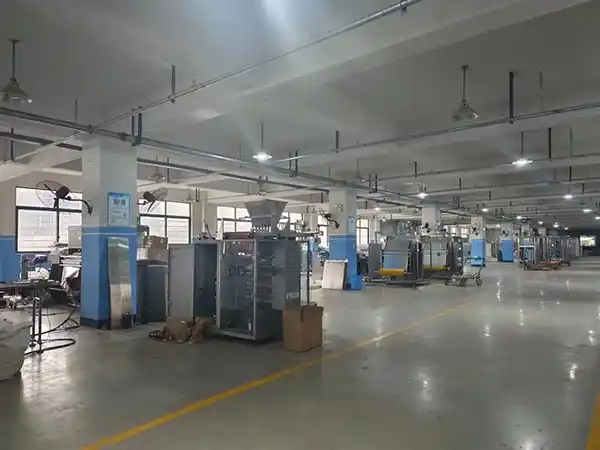
Whether you are packing 50g spice sachets or 25kg chemical bags, you can explore our powder filling configurations to see which module fits your product portfolio. For high‑volume exporters targeting the top five markets above, having reliable, repeatable filling is no longer a luxury—it is your license to compete.
Disclaimer: Trade data based on publicly available sources up to 2024. Market conditions may change. Always consult local regulations for powder import compliance.
Note: The images in this article are for reference only.

 English
 Pусский
 Español
 عربي
عربي .jpg)